
235,715
Delivered orders

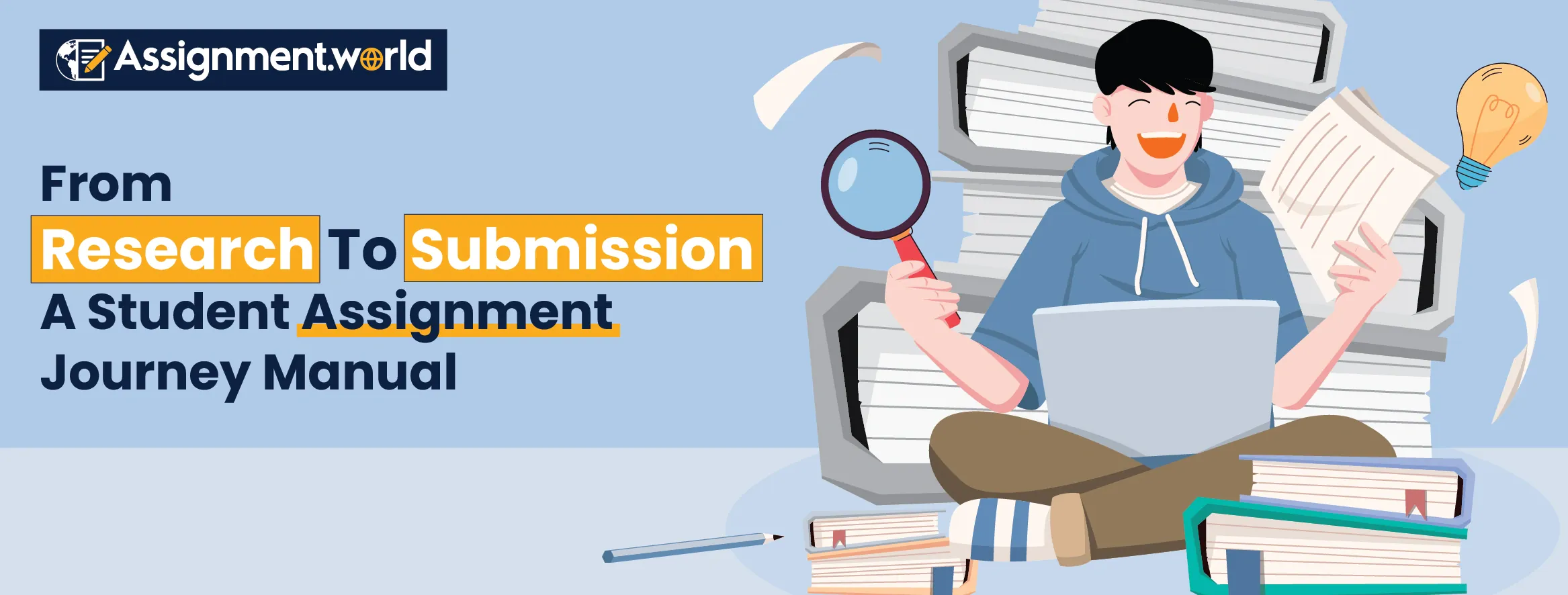
Your all-in-one manual to navigate assignments from research to submission — packed with practical tips, strategies, and student-focused guidance to help you succeed.
earing up for your first academic assignment writing? Also, anxiety and curiosity are hitting the roof, right?
rogramming assignments are the tasks and projects which are assigned to the students. These assignments focus on the
G
earing up for your first academic
Well, no wonder it is quite a frenzy as the process is both elaborate and taxing, yet enriching and engaging. From high school projects to university academic assignments, you have indeed come a long way and still have more to achieve.
assignment writing? Also, anxiety and curiosity are hitting the roof, right? Well, no wonder it is quite a frenzy as the process is both elaborate and taxing, yet enriching and engaging. From high school projects to university academic assignments, you have indeed come a long way and still have more to achieve.
However, this student assignment journey is more nuanced and elaborate, requiring some preliminary considerations that can help in mastering the assignment better. From learning the scope and intent to gathering data and developing an outline, proper planning is the key. However, no matter how interesting and intriguing the assignment may be, the challenges of writing an assignment cannot be sidelined. These challenges mostly are in the form of:
Abstract Topic Interpretation
Lack of Proper Evidence
Poor knowledge of formatting
Lacking Analytical And Critical thinking
Fear of AI and plagiarism
Time management for university students
Regardless of the types of roadblocks in a student's assignment journey, tricks to dodge them can be devised only through proper assignment planning tips. This planning includes understanding the topic intent, assessing the rubric, preparing the outline, taking into account formatting rules, freewriting the first draft, etc. Apart from these, the roadmap must also incorporate research, relevant analysis, editing and final proofreading for polishing. So why wait any more, and let's delve straight into the manual for how to write assignment drafts.

Looking for a comprehensive manual to guide you to ace your assignment. Check here the detailed list of all the steps that form the core of a student assignment journey:
The first step to crafting a winning assignment is to get the guidelines and the briefs right. All universities have specific assignment guidelines that also vary with the types of assignments expected. Students must understand what is specifically expected of them, which, in a way, acts as the roadmap to writing a successful assignment. While walking through the university assignment guidelines, your checklist must be:
The topic or area to be focused on
The length and the word count
Instructions on formatting
Citation style (APA/ MLA/ Harvard/ Others)
Assessing the rubric
Read the assignment question multiple times to get the intent right in the first place. If you do not understand, search for similar sources on that topic. Pinpoint the key terms and ideas to get a grip on the intent. Paying special attention to instructional words like "evaluate", "analyse" and "compare" can tell you precisely what you need to focus on. Some simple tips you can follow here are:
Focusing on the aim of the topic
Deconstructing the question
Jotting down potential research areas
Examine the grading rubric
In case you have difficulty understanding the intent and any of the points mentioned above, seek your professor's clarification, as they know best. However, if you want the touch of professional hands, our assignment services at Assignment World can be your companion. Our assignment expert always assess the rubric and the instructions while attempting assignment writing.
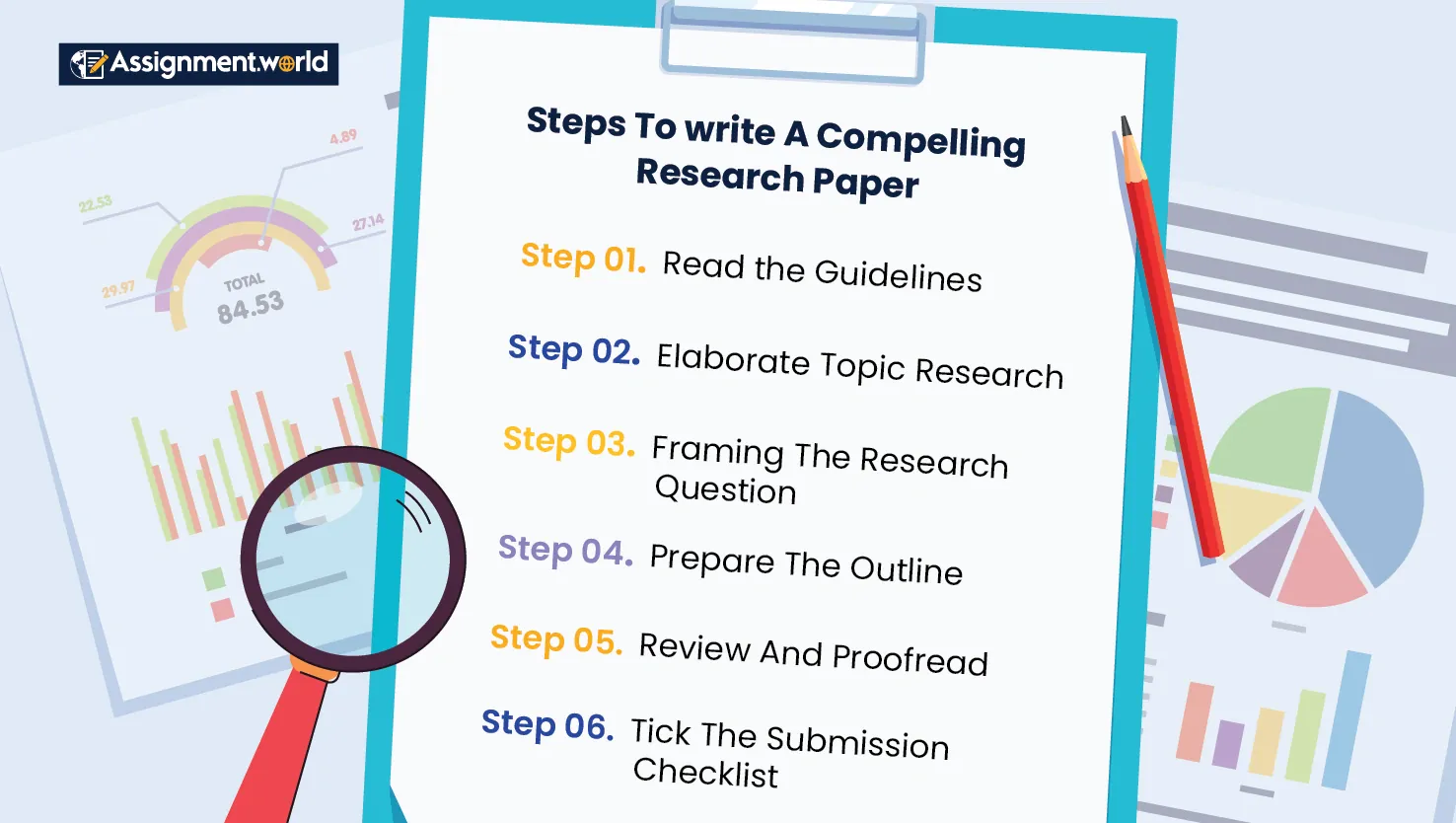
Resource research is imperative in an academic writing journey, allowing relevant evidence to back the claims. With the vast realm of information and its multifarious sources in this day and age, students often feel overwhelmed as to which one to tap into. In this regard, scholarly materials and verified databases can be a plausible choice. Some of the top sources to dig into for assignment writing are:
Scholarly Journals
Peer-reviewed and scholarly journals are a rich source of verified information. This ensures the data is credible, which can anchor your assignment argument better. Not just credibility, these journals offer in-depth and wide-ranging ideas, entailing scholarly discussion. What is most likable about these journals is the fact that all are up-to-date as per the latest developments, thus ruling out chances of outdated information. If you do not know how to find such peer-reviewed articles, you can easily find them in top databases and even scholarly websites like Google Scholar.
Online Database
Top online databases are equally commendable, offering inclusive information on all disciplines. These platforms compile information from vast sources like papers, conferences and more. You may not get this diversity and depth in traditional ways of research. Students find this particularly convenient as it allows quick searches with filters, boolean operators and even through key terms. You cannot get such speedy research assistance offline. Some popular databases you can use are JSTOR, ProQuest, EBSCOHost and more.
Books
If you are more comfortable with offline resources, you can conduct academic research using books. No matter how much we get overpowered by digitalisation, the traditional ways of research have their charm, which does not disappoint. These books come in handy, warding off the need to spend hours in front of your PC. Subject books provide comprehensive insights that internet bots can miss out on. Books published by reputed authors are trustworthy, diving deep into various niches.
University Libraries
Your university library is also a good repository for vast and credible assignment sources, including books, journals, magazines, and archives. You do not need any specialised permission or license to access these resources, unlike online libraries. The best part of using such an offline medium is to evade the chances of plagiarism, which remains high with online data. Even the information from unofficial sources can be used without the worry of citations and referencing.
With a dedicated collection of sources comes the responsibility of organising the sources. Note-taking techniques in this regard can be resourceful, where you can summarise the ideas from each source in your own words. You can even rely on digital note-making tools, along with marking the direct quotes and page numbers for citation purposes. If you are struggling to access quality resources, reach out to Assignment World experts for quality research paper writing service. Our qualified experts know where and how to collect verified resources.
After completing the research work and sorting your sources, the main task awaits you, and that is brainstorming and selecting the topic or the main statement. You need to narrow down the broader areas of research and perspectives to a single and more focused statement that you find feasible enough to interpret. You need to be strategic here, choosing a statement that you have ample and substantial evidence to support. The more innovative techniques you can resort to while attempting topic selection are as follows:
Mind-Mapping
Most students who are confused about how to write an assignment, specifically about choosing the topic in case of an essay or research paper, can use the technique of mind-mapping. It entails a visual hierarchical structure to organise the thoughts and ideas better. This helps identify connections and create subtopics to segregate into manageable chunks.
FreeWriting
Freewriting is another effective brainstorming technique that involves writing continuously without interruption. This is a proven technique to overcome writer's block of any kind and, in the process, generate ideas and valuable insights. You can also consider this to discover some recurring themes regarding the topic.
Note-Taking
If such writing seems taxing, then you can even apply easier techniques of just grouping the essential ideas into small notes. You can start by prioritising important concepts and refining your search accordingly. This helps create hierarchies to select the topic from broader information, making it one of the practical assignment planning tips, too.
In this process of brainstorming, however, you need to be careful about keeping the topic as close to the subject matter and course objective as possible. Misalignment in the aim can spoil the very assignment itself. If you still have confusion with the topic, you can reach out to our assignment writer, who can help with free topic selection on any form of assignment.
About: A thesis statement is the byproduct of all the brainstorming and research endeavours you have already completed. A strong statement is a core component of any assignment writing format that highlights the specific question that your assignment is supposed to answer. Any strong research statement needs to be debatable, topic-relevant and offer scope for analysis and argumentation. It must typically answer questions" How" and "Why" to ultimately lead to the solution. To understand what a proper research statement is, you must learn the characteristics of a bad statement, which are:
A statement that is too broad
A statement that is too factual
A statement that is too subjective
A Statement that lacks position
Some of the assignment planning tips for developing a strong statement are:
Make It Precise And Clear: Generalised statements do not make any impact, often disengaging the professors, which ultimately impacts your grades. Choose a topic statement that has specificity and is devoid of any confusing claims.
Hold A Definite Ground: Make sure the statement is capable of holding a stance and argument in the assignment. This can help you to anchor your evidence better, making way for pathbreaking analysis and interpretation of the topic.
Answer the Core Question: Your statement must be able to respond to the main question, without coming across as vague. You must ask yourself the question as to what I am supposed to prove through this statement to get clarity. This can rule out the chances of getting off track with the objective.
However, if you are struggling with writing an assignment statement, reach out to our platform, which offers all-inclusive assignment and thesis writing service. Having qualified experts, we can help with the A to Z of academic writing.
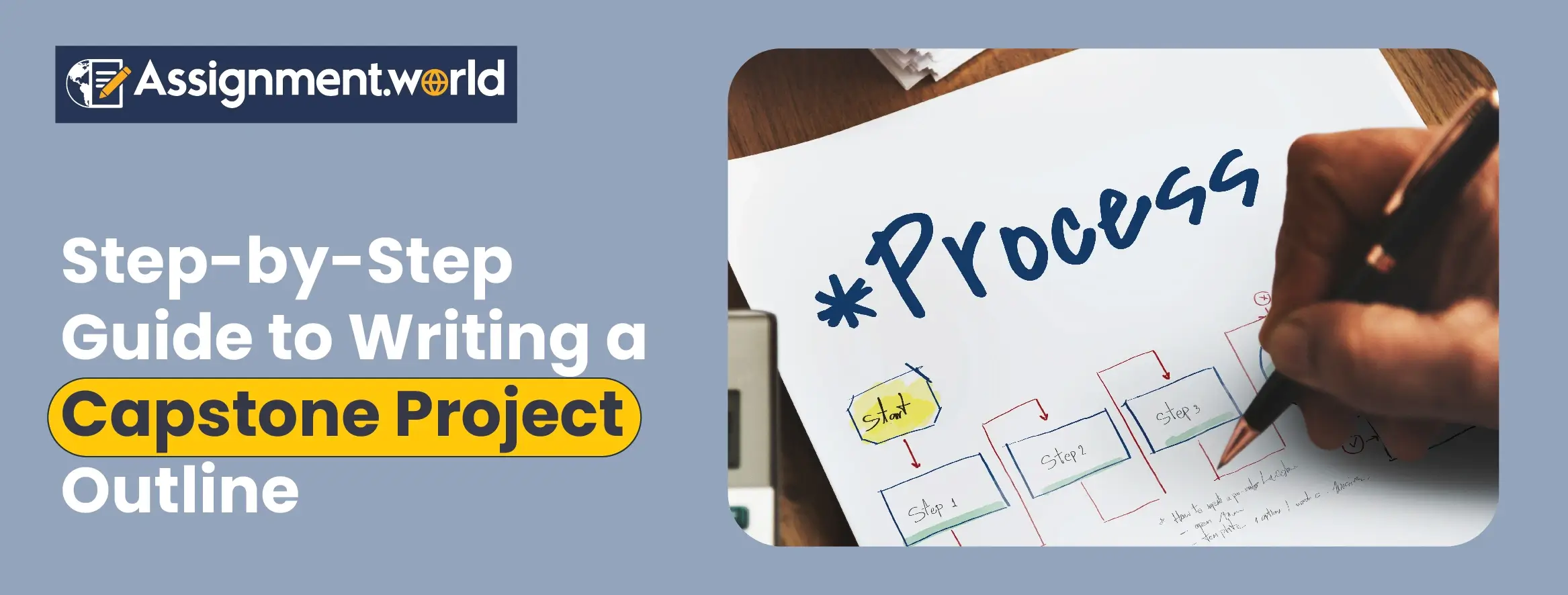
As the research statement serves as the seed for academic writing, the assignment outline acts as the roadmap for the student's assignment journey. Without a proper blueprint, the chances of messing up the entire write-up are high. An assignment structure template can be a good reference in this regard, mainly divided into transparent and manageable sections.
The outline finally allows for fleshing out the main points into a logical flow and structure that mostly starts with the abstract, introduction, literature review, methodology, analysis and finally the conclusion. For students who feel clueless about how to write an assignment, the outline can be the lighthouse in the academic writing journey. The outline offers a chronological and thematic order for organising the information and sustaining proper transitions.
The assignment structure templates change with each writing style; however, the sections of introduction, analysis and conclusion stay constant with all academic forms. You must state the main argument and the scope of the topic in the introduction section, followed by analysis, which is further subdivided into smaller sections. The conclusion is the final section, which restates the statement and claims the success of the analysis. The section on referencing in academic assignments is also an imperative element, as you must cite all the resources used.
Examples of an outline structure of academic writing styles, like essays, case studies and reports, look like:
Essays
Introduction
Body Paragraphs
Counter Argument Paragraphs ( For Argumentative Essays)
Conclusion
Report Writing
Title Page
Executive Summary or Abstract
Table of Contents
Introduction
Methodology
Results/ Key Findings
Analysis And Discussion
Conclusion
Recommendation
References
Appendices
Case Studies
Title Page
Abstract
Introduction
Case Background
Identifying The Problem
Cause And Consequence Analysis
Recommendations/Proposed Solutions
Conclusion
References
Appendices
Dissertation
Title Page
Acknowledgements
Abstract
Table of Contents
List of Tables And Figures
Introduction
Literature Review
Methodology
Data Findings/Results
Discussion And Implications
Conclusion
References/ Bibliography
Appendices
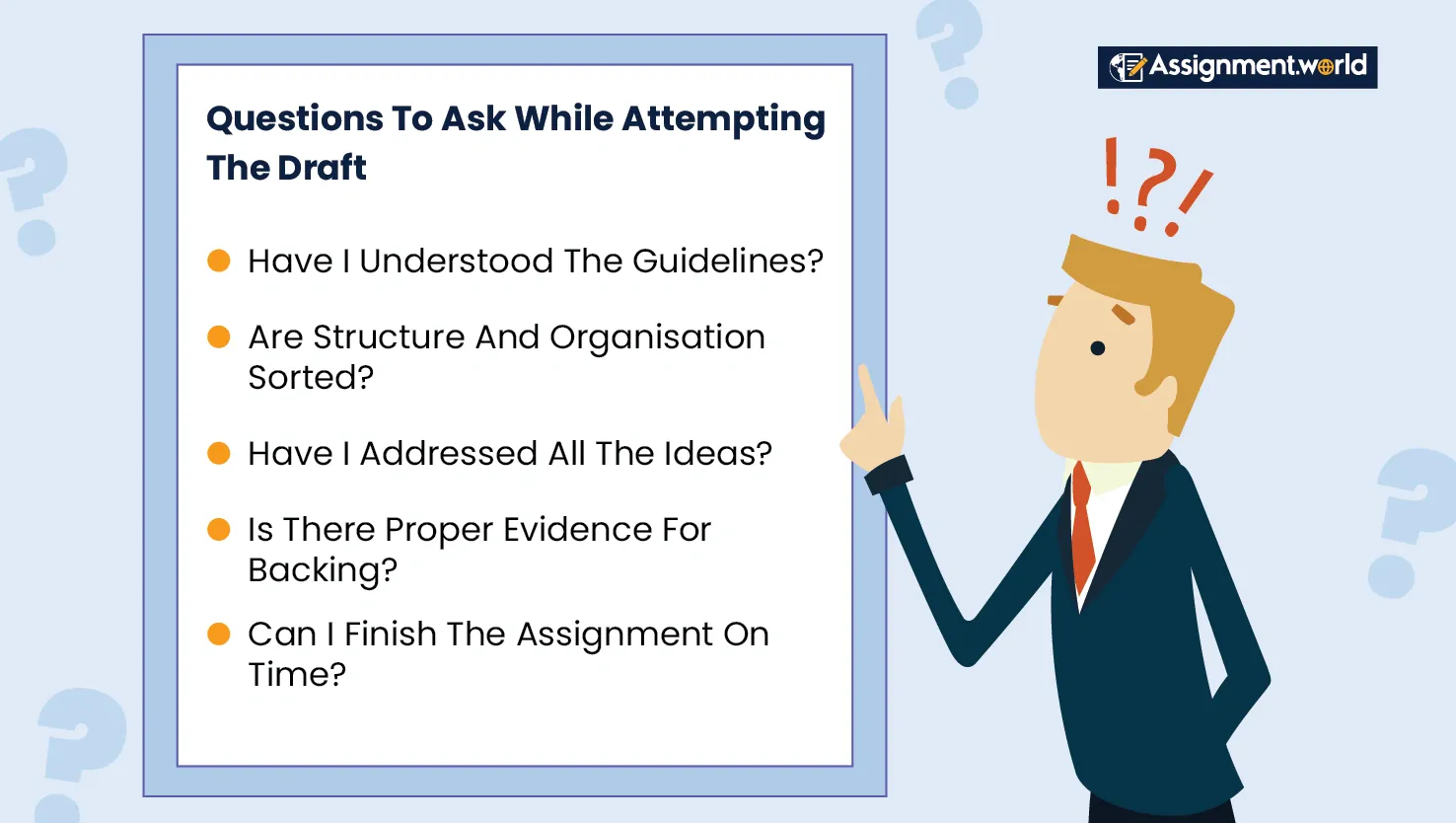
With ideas sorted and the outline set, it is time to pen down the first draft. Well, nothing to get overwhelmed as you are free to try and make errors until it takes the shape of something profound. The first draft is the space where you are subjected to experimentation, strategy building, setting achievable goals, and simply free writing. This is not where you must not strive for perfection, but allow yourself to embrace the randomness to find the calm amidst the chaos, finally. Here are some tips on how to write assignment drafts:
Review The Requirements
Go through the assignment guidelines thoroughly again. The assignment requirements have all details furnished, like the word count, citation style to be followed and most importantly, the questions to be answered. As you have already brainstormed on the ideas, reviewing this again can help you retain the essentials better. This can be your reminder of what things to incorporate and what not to.
Overcome Writer's Block
As Ernest Hemingway has stated in one of his novels, "All you have to do is write one true sentence", you need first to attempt to write to overcome the block. Such blockages mostly stem from being under confident about the topic, fear of missing out on essential questions, time constraints and more. Additionally, being overloaded with ideas can be a block, for which free writing can be an excellent solution.
Prepare A Rough Structure
A basic or rough assignment structure can facilitate the preparation of the main assignment structure template, with essential sections and subsections. Consider relying on the standard structure, which includes the introduction, body paragraphs, and conclusion. For the introduction, you can think of a hook and background information, followed by the body, with subsections based on the ideas you want to highlight.
Set A Timeline
Not just the analysis and writing, you need to be mindful of the time too, as the deadline has already started ticking. You divide your time between each section. Like for the first day, you can write about the introduction or the title page, and the following days for analysis and earmarking the sources for citations and so on. Setting a timer can help you stay focused, and your first draft will be complete within a minimum time.
However, if you are still oblivious about how to write assignment drafts, simply connect with our experts for all comprehensive assignments, research papers and essay writing services and more. Our experts can offer the best assignment help with citations, with the fastest delivery, well ahead of your deadline.
Academic citation is one of the core components of academic writing that carries significant weight in grading. More than establishing the credibility of your research skills, it adheres to academic integrity, as using sources without citations is unethical. Every university and each academic assignment follows a specific citation style that mainly varies from APA, MLA, Harvard, Chicago, ASA, Vancouver, etc. In fact, with access to academic referencing tools, students can even use an online reference generator for instant results. The standard academic referencing formats are:
APA Citation
APA or American Psychological Association is a popular assignment writing format for referencing that has both a reference list and in-text citations. APA 7th Edition is the latest version, which uses the author-date system for in-text citations, including direct quotes, page numbers, and paragraph numbers.
In-text: Moore, 2023.
Reference List: Author's last name. (year). Title of the article. Journal Title, volume (issue), page range. DOI.
MLA Citation
MLA citation is more or less similar to APA in many ways, having in-text citations and a works cited list for references. Known as the Modern Language Association, this citation follows a clear and simple assignment writing format for referencing. The 9th MLA edition, developed in 2021, is the recent version.
In-text: Jones and Moore 15
Reference List: Author's Last Name, First Name. "Title of the Article” Title of Publication, vol. Number, issue no.,date, page range.
Chicago Citation
Published by the University of Chicago Press, the Chicago citation style is a documentation system used for citing sources for humanities research papers and theses. Chicago has two central systems: Notes and Bibliography and Author-Date for citations.
Author-Date In-text: Moore 2025, 40
Author-Date Bibliography: Author's Last Name, First Name. Year. "Article Title". Journal name volume, no. Issue (Month Year): Page range. DOI
Harvard Citation
Known as the author-date style, the Harvard referencing Style is a standard citation format followed by global Universities for research papers and theses. Harvard referencing is more versatile, as many universities have their own Harvard citation formats, which differ from each other.
In-text: Moore, 2025
Reference list: Author's Last Name, Initial. (Year) "Article Title", Journal Name, Volume (Issue), Page range. DOI
To make students' academic journey more pleasant, our academic referencing tools for MLA, APA and Harvard can be pretty helpful, offering instant results. Other online academic referencing tools you can opt for to create a perfect annotated bibliography are:
Zotero
Mendeley
End Note
RefWorks
My Bib
Google Scholar
It takes nothing but silly errors and snags to make all your hard work go in vain. Yes, the importance of proofreading is a mandate, no matter how tight the deadlines are. Most students make the mistake of taking editing and proofreading assignments lightly, ultimately digging their own graves. Although editing and proofreading assignments go hand in hand, there are minor differences you must learn in your academic writing journey.
| Editing | Proofreading |
|---|---|
| 1. Makes changes to the writing. | 1. Identifying and correcting errors. |
| 2. Examines assignment clarity. | 2. Rectifies errors in spelling,grammar, etc. |
| 3. Part of the revision itself. | 3. Final step done after revision. |
| 4. Example: Rephrasing sentences. | 4. Example: Correcting typos, incorrect tenses. |
Proofreading and editing can easily be considered among the most effective tips for succeeding in assignment writing, and not just a submission formality. Some of the effective editing and proofreading assignment techniques are:
Review From Peers
Peer reviews are definitely one of the practical final assignment review tips, as a third eye view can detect errors that you cannot. This practice is quite popular in academia, where students seek each other's help to review and proofread their assignments. From issues of spelling, vocabulary, and punctuation to formatting and missed points, peer reviews can rectify many things in one go.
Leverage Proofread Tools
Sometimes relying on the bots can be an effective way to remove errors that a normal human eye cannot detect. Various online proofreading tools like Grammarly, Hemingway Editor, and Quillbot cannot only rectify issues of spelling, tenses, and punctuation, but also catch unintentional plagiarism and AI.
Read Aloud Technique
The read-aloud technique is easily counted among the most effective final assignment review tips and techniques, as it vocalises each word and line. The auditory senses are engaged in the process to catch major to minor errors in tenses, spellings, vocabulary, and sentence structuring. Things that sound awkward can be rectified instantly.
Backward Reading Technique
Reading your assignment from the end to the beginning is an effective way to catch errors, which shifts the focus from meaning to words and spelling. To catch grammar snags, wrong spelling and vocabulary, this technique is beneficial. The elements of the writing hit you when you are bothered about the context, thus proving this as one of the go-to final assignment review tips.
Formatting is key to enhancing the readability of any academic writing, not just demonstrating professionalism. Ensuring adherence to academic standards and guidelines, formatting ensures a clear structure, visual appeal, accessibility, and a positive impression. Each academic assignment has its own specific formatting guidelines, which include citation details as well. To avoid academic penalties, formatting rules have to be properly checked before submitting the final assignment. Follow this formatting checklist before you submit assignments:
Grammar And Style
Eliminate redundant words and phrases as much as possible to enhance readability and clarity. For any academic writing, the language tone needs to be professional, which you must check. Use active voice and check for any tense slips, maintaining correct subject-verb agreement.
General Formatting
Any general formatting rules include key components of margins, fonts, line spacing, indentation, pagination, headings and subheadings. Check whether each aligns with the referencing style used in the assignment. For such formatting help, you can reach out to our assignment writing help platform.
Citations And References
Verify that all the sources are correctly cited and as per the citation styles. Each referencing style, like MLA, APA, Chicago and others, has distinct guidelines, which you must check. To overcome referencing hassle, you can reach out to our platform for annotated bibliography writing service and more.
Structure And Flow
Ask yourself questions like, are all significant points adequately covered and organised as per logical flow? Is there a clear introduction, analysis and conclusion? Is the standard academic structure used or not?
As the write-up is complete, it is time to gear up for the final submission of the assignment. Just like the final formatting and review checklist, the submission checklist must be ready. This list must include the submission format, the submission method, and consideration for additional requirements like peer review, any oral component or presentation, etc. Here is a brief step-by-step guideline for successfully submitting the assignment:
Saving The Assignment: The first thing is to save the file properly and check if all the changes are saved correctly. You can save it in the file format instructed by the university, which is usually in Word doc or PDF format for easy access.
Adding Cover Page: A proper cover page is of paramount importance in assignment submission. You must ensure the cover page consists of information like your name, student ID, course name and code, semester term, instructor’s name and due date.
Checking All The Deliverables: From main document, programming file, to the declaration and supporting files, make sure you do not miss out on anything before the final submission. Cross check one last time for a confident submission.
Submitting The Assignment: Each university has its submission guidelines. Online submission in LMS software like Moodle, Canvas or Blackboard is standard, where you need to just log in to the account and submit the assignment. Some even opt for email and physical submission.
Double-checking The Submission: Ensure the file to be submitted is appropriately named and formatted. Double-check if all university submission instructions are correctly followed. Check your roll number and other important personal details to be included in the assignment.
Keeping A Copy: A backup copy, whether in digital format or paper format, is essential, and you must keep one with you, too. This definitely comes in handy in case of any issues with the file submission, and especially in revisions.
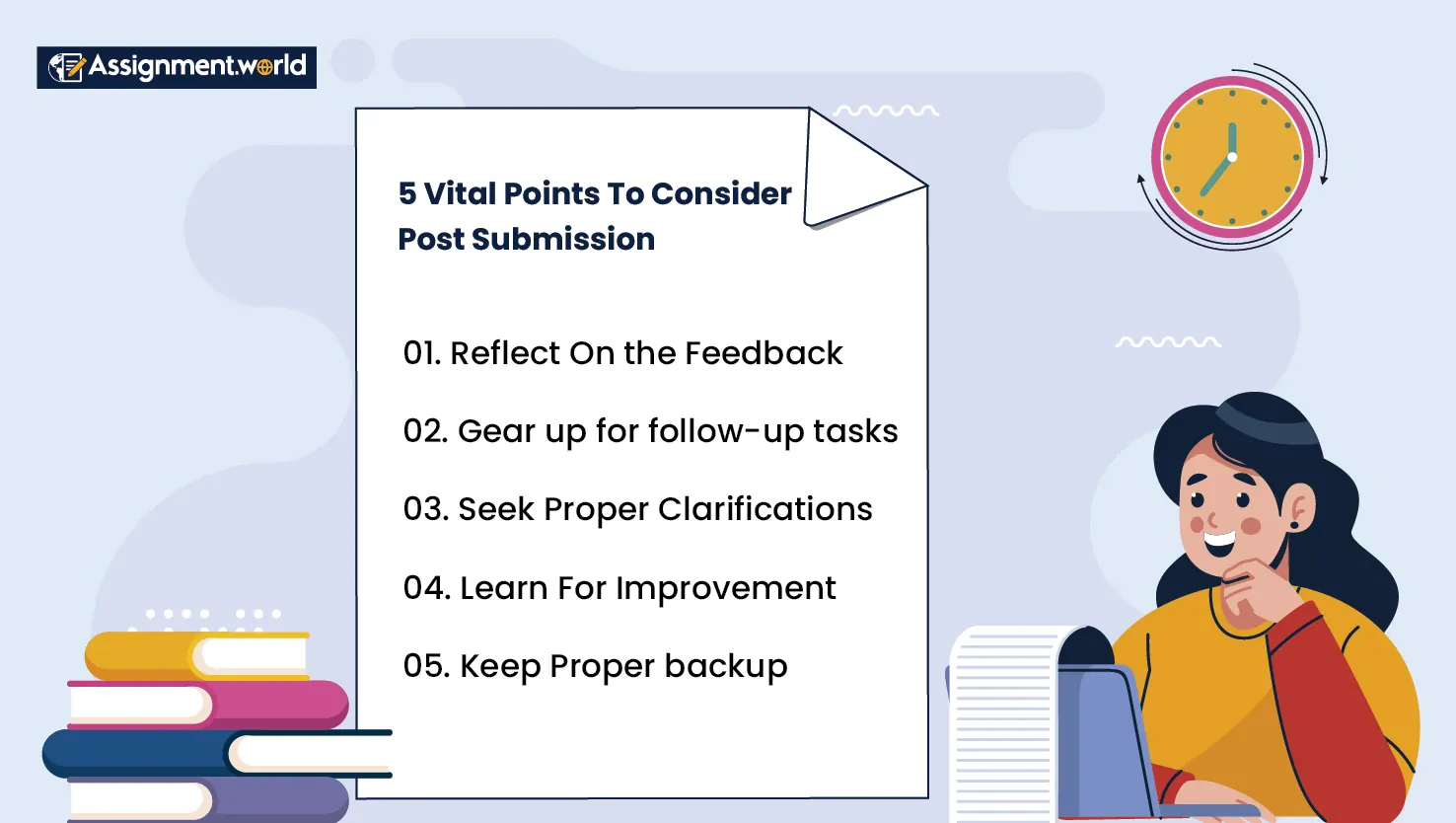
Understanding and implementing the professor's feedback is not a piece of cake, and the best advice is to take your time and analyse each comment with patience. To effectively understand the post-submission comments and feedback, it is crucial to seek clarification from the professors themselves, as this easily qualifies as one of the tips to succeed in assignment writing in the future. Always remember that feedback is constructive criticism and a tool for improvement and sustained growth. Some tips you can follow to make this process easier are:
Read And Learn: Do not focus on just the grade; instead, go through the comments and try to learn if you could have avoided the mistake in the first place. In case you do not understand any remark, reach out to the professors after reading the entire feedback carefully.
Identity Areas of Improvement: Spot the recurring comments and take time to understand your strengths and weaknesses in analysis and writing. Also, relate these comments to your learning goals and use this feedback for improvement.
Seek Further clarification: You are surely going to benefit from the feedback, so do not hesitate to reach out if you need further clarification from the professors. You can learn from such guidance and improve your grades in the future, too.
Keep An Assignment tracker: An assignment tracker or learning journal can be an effective tool to facilitate reflection on the feedback and the learning process. From identifying strengths and weaknesses to outlining the areas of improvement, it can be a trusted monitoring device.
By now, you have already understood the painstaking process of assignment writing that demands dedication and patience. One of the tips to succeed in assignment writing is to be careful of the mistakes and dodge them in the first place, only to avoid their consequences. Some of such mistakes, along with their solution, go like:
Avoid Late start And Procrastination: Procrastination hits hard for most students, especially when you have no time for leisure. However, time management for university students is crucial, and starting on the assignment early can streamline the process.
Using AI Tools: Although AI and paraphrasing tools can be handy for generating ideas and fresh perspectives, addiction to such tools can make you pay a price. Not only does it increase the susceptibility to AI detection, but it also makes student doubt their articulation skills.
Skipping Editing And Proofreading: Submitting an assignment in haste often makes students ignore the proofreading. No matter how lengthy the assignment is and how tight the deadlines are, proofreading cannot be compromised. Check for errors and edit accordingly.
Ignoring Assignment Rubrics: Ignoring the rubric is a grave mistake, as it can help you focus on the sections that have weightage in grading. Make sure to always keep the rubric aside and develop the draft accordingly.
If you're tired of struggling with unending assignments, you always have the option to reach out to a professional assignment writing assistance platform. These platforms offer city-specific and university-specific services. To buy an assignment online in Australia and for writing help, you can find services in:
Melbourne: Assignment Help Melbourne
Sydney: Assignment Help Sydney
Brisbane: Assignment Help Brisbane
With digitalisation and the internet boom, online academic alternatives and assistance help platforms have received due stimulus. In a student assignment journey, these platforms play a crucial role as they offer an instant and robust helping hand for a lot of challenges. Students can simply place a "Do my Assignment" request and get assignments done on time. Here are some everyday situations when students resort to an assignment help platform:
Inexpertise Of The Topic: Not all topics you come across in your writing journey can be your cup of tea. Some topics can be unfamiliar and abstract for you, making your analysis and confidence crippled. To avoid this, students reach out to expert writers for on-point interpretation.
Having Limited Resources: Lack of proper resources is another common struggle for students. Most do not have access to top databases and portals for rich data, relying on just notes and books. Assignment helpers can solve this, as most are top academics with access to top resources.
Seeking the native expert support for all-inclusive assignment assistance? Assignment World can be your trusted service provider for quality assignment help services for all academic writing formats. From Phd writer support, quality formatting to timely delivery and discounted pricing, experience it to believe it. Check out some of our features:
Multiple Subject Stalwarts: We have a reputed team of diverse writers who hail from various disciplines. All our writers hold high qualifications, primarily a PhD in their respective subjects, capable of producing stand-out writing on any topic.
Robust Customisation Support: Connect with our experts to get customisation help with any formatting and citation styles, along with layout and presentation. You can reach out for customised edits to ensure a satisfactory final submission.
By this, we reach the end. We sincerely hope that the above manual carries all the information and approach needed to write a gripping and scoring academic writing assignment. A proper structure and planning are core, which cannot be traded for anything. From promoting clear understanding and offering a roadmap to allowing time management for university students, it is invaluable in all ways. Considering the challenges of varied assignments, a systemic approach in a student assignment journey allows adaptability, no matter how complex the assignment is. The manual is almost universal for all types of assignments, making the assignment journey an easy breeze. If you are looking for professional experts for structuring and assignment writing support, book our services today.