
235,715
Delivered orders

Searching someone who can help with assignment help online? Hire our best assignment experts and enjoy the best grade.

riting essays that present different points of view can be challenging yet rewarding at the same time. Amongst all
rogramming assignments are the tasks and projects which are assigned to the students. These assignments focus on the
W
riting essays that present different
the different essays, discursive essays stand out for their balance and analytical nature. It supports you in discussing complicated topics objectively while looking at different opinions before coming to a conclusion.
points of view can be challenging yet rewarding at the same time. Amongst all the different essays, discursive essays stand out for their balance and analytical nature. It supports you in discussing complicated topics objectively while looking at different opinions before coming to a conclusion.
With us, you can be able to learn how to write a discursive essay effectively in this blog. We are here to tell you everything from its format and structure to learning the cool transition techniques and examples that can make your writing more strong and persuasive.

A discursive essay is a form of academic writing that explores a problem from multiple perspectives. The focus here is not to argue from one side but to balance the question considered in different types of opinions before coming to a reasoned conclusion.
When you ask how to write a discursive essay, the answer would be to include topics that invite debate, like social issues, technology, education or ethics. The main objective here is not to convince but to discover, inform and analyse.
Let us judge based on one of the discursive essays examples, “Should social media be banned in schools?”. If this is the topic, then your essay needs to add these parts:
Arguments that support the ban, like the ill impacts of social media or mental health concerns.
Arguments that are opposite to it, like the educational use of social media or digital literacy.
Lastly, a reasoned conclusion based on the evidence.

If you want to make your discursive writing essay stand out more in the crowd, then you need to focus on the following characteristics.
Balanced Tone: Always maintain neutrality when you are presenting your arguments, and avoid any emotional or biased language.
Logical Flow: All the paragraphs need to connect logically to the next one, making sure that there is a coherent discussion.
Evidence-Based: Remember to support your claims with data, statistics or real-life examples.
Formal Language: Don't use any over casual phrases, keeping your tone academic and respectful.
Clarity and Structure: You need to use simple and clear language to make your sentences and arguments easy to follow.
When you understand the structure of an essay, you can learn how to write a discussive essay easily. Generally, a discursive essay follows a clear and organised structure like:
Introduction
First, briefly introduce the topic and explain why it is significant. Add a thesis statement that indicates the direction of the discussion but does not reveal your conclusion yet.
Body Paragraphs
Each of the body paragraphs needs to present a single argument or view.
Use one paragraph for supporting arguments.
Use one paragraph for opposing arguments.
Use one paragraph for neutral or comparative analysis.
Conclusion
Lastly, after your essay is done, summarise the main points and present your own stand supported by evidence. Make sure that your conclusion reflects the balance you have maintained throughout your essay.
Understanding this structure can give the answer to your question of how to write a discursive essay effectively.
There are mainly three types of discursive writing that serve different purposes for each.
For and Against Essay: This type is used for discussing both sides of an argument equally. For example, “The Impact of Technology on Human Interaction”.
Opinion Essay: This variant focuses on personal viewpoint, yet at the same time, it is still backed by evidence. For example, “Why Renewable Energy Is The Future Of Global Development?”
Solution Essay: Lastly, this type of essay discovers a problem and suggests solutions while discussing their pros and cons. For example, “How Can Countries Reduce Plastic Waste Effectively?”
When you look at these discursive essays examples, it helps you to understand the different purposes practically.
If you want your discursive writing essay easily, then note down these steps:
Selecting A Thought-Provoking Topic: The first step is to select a topic that can invite multiple perspectives. Topics such as “Should AI Replace Teachers?” or “Is Remote Work More Productive?” can support critical analysis.
In-Depth Research: After you have fixed your topic, start collecting information from credible sources like journals, news articles, and academic websites. However, avoid any biased or one-sided data.
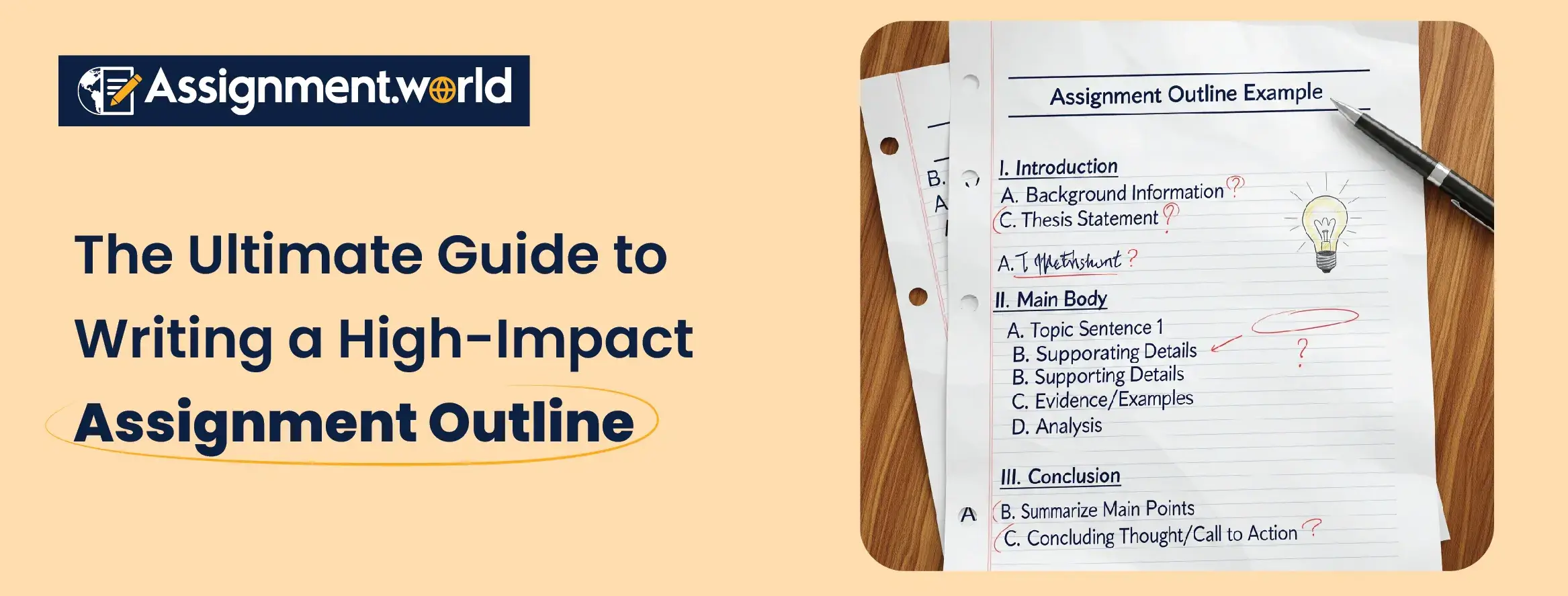
Outlining: Start outlining your essay by keeping simple sections like an introduction, main body with argument for and against and lastly a conclusion. This will keep your essay simple, organised and coherent.
Start With An Objective Introduction: Introduce the topic and state why it is relevant in the current time, avoiding personal opinions.
Balanced Main Body: After you have entered the main body, each of the paragraphs needs to begin with the topic sentence, followed by evidence or examples. Use transition words like “On the other hand,” “In comparison,” or “In contrast” to maintain the balance.
Insightful Conclusion: Lastly, after debate, summarise your key points and present your stand logically, avoiding any repetitive points or introducing new arguments.
Review And Edit: Once you have finished writing, take a break and, with a fresh mind, start reviewing. Check for grammar structure and tone, make sure that your essay remains objective and well supported.
We hope that following this format can help you to write a discursive essay effectively without any difficulty.
A discursive writing essay demands control over tone and word choices. So here are the key language tips that you need to follow.
Use formal expressions like “it can be argued” or “evidence suggests that”.
Avoid absolute statements like “everyone agrees”.
Maintain a third-person voice unless instructed otherwise.
Include linking process for cohesive phrases like “similarly”, “however”.
If you want professional assistance in writing, then contact Essay Writing Services to polish your essay writing even more.
To strengthen your discursive writing even more, here are some examples that show how you must write your essay.
Example 1: “Should uniforms be mandatory in schools?”
For: Uniforms promote equality and reduce peer pressure.
Against: They limit individuality and expression.
Conclusion: While a uniform creates discipline, a flexible approach allowing some personal expression would work the best.
Example 2: “Should animal testing be banned?”
For: Ethical concerns and advancements in alternative testing methods.
Against: Social medical research still relies on animal trials.
Conclusions: Rather than a complete ban, maybe a balanced solution can be a good alternative.
The above discursive essays examples demonstrate how to analyse diverse perspectives logically.
Mastering discursive essays allows you to express ideas critically and objectively. So whether you are debating a social issue or analysing a global trend, this form of writing strengthens your analytical and reasoning skills even more.
You can reach out to us anytime when you need help with writing your essays. Our services in Assignment World offer help in any kind of essay writing, whether it is for a discursive or an Explanatory Essay, we write it for you as you want.